- Research project
EduDemoS
Sustainable demonstrators for STEM education
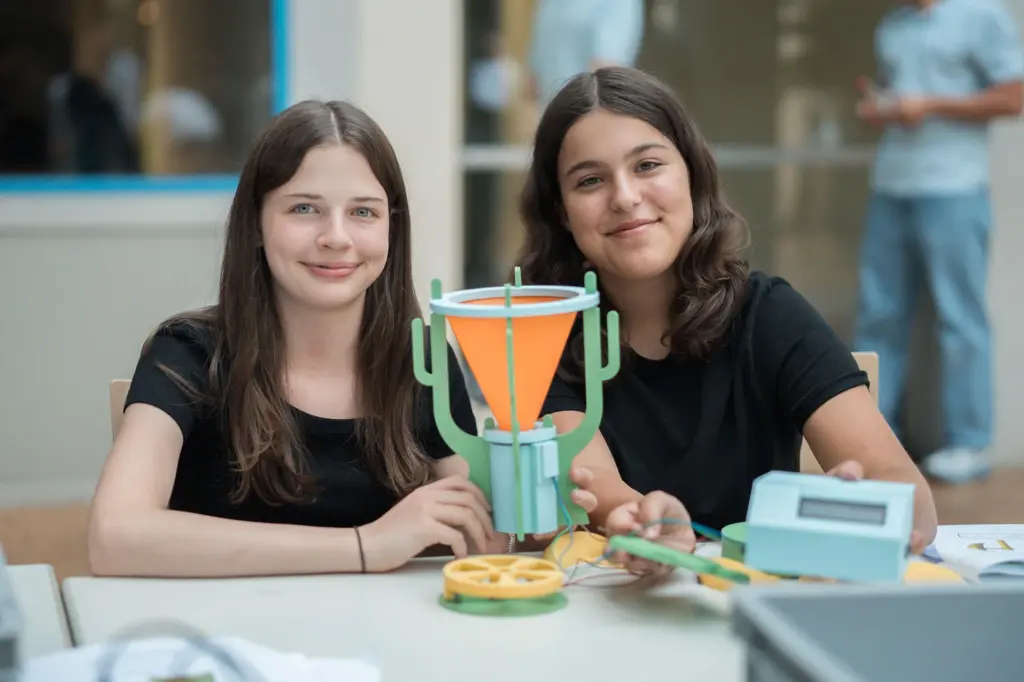
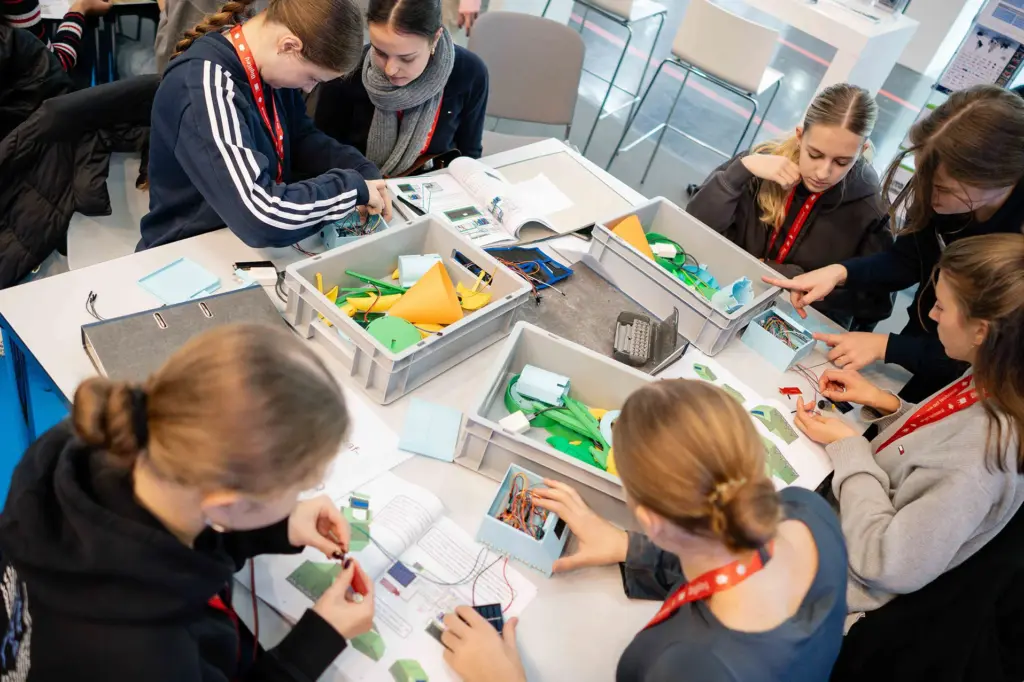
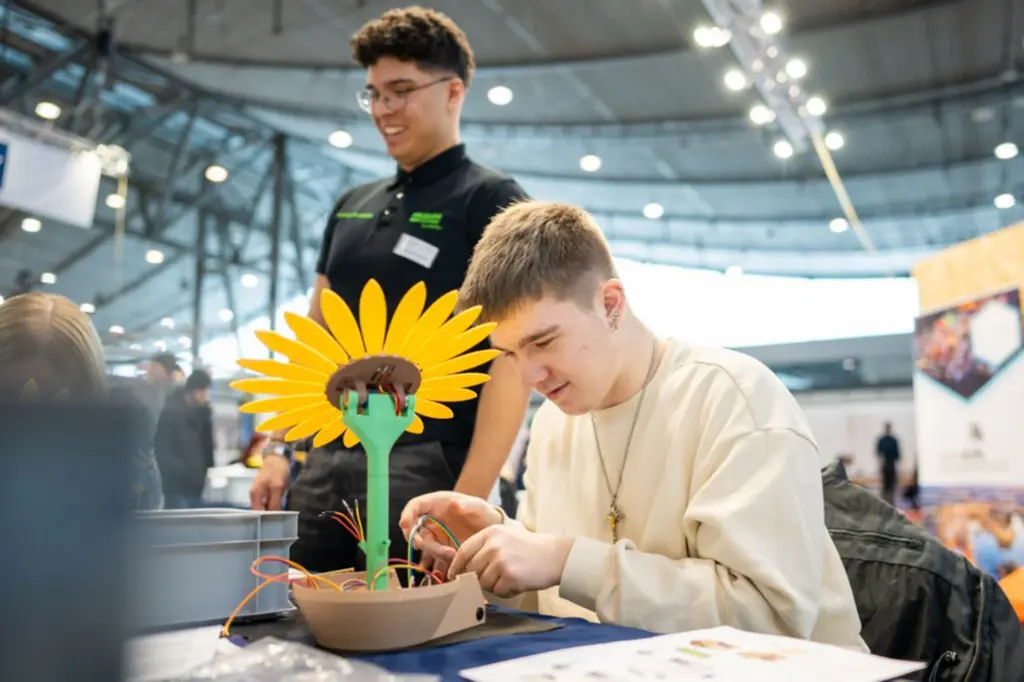
The EU-funded EduDemoS project (EDUcating through Sustainable DEMOnstrators) equips young people and teachers across Europe with digital skills and knowledge about sustainability. The project is based on practical projects focusing on renewable energy. The project is developing three replicable demonstrators: SOL (a solar tracker modelled on a sunflower), AIRE (a wind turbine) and AGUA (a water collection system). Step-by-step instructions are provided for each model.
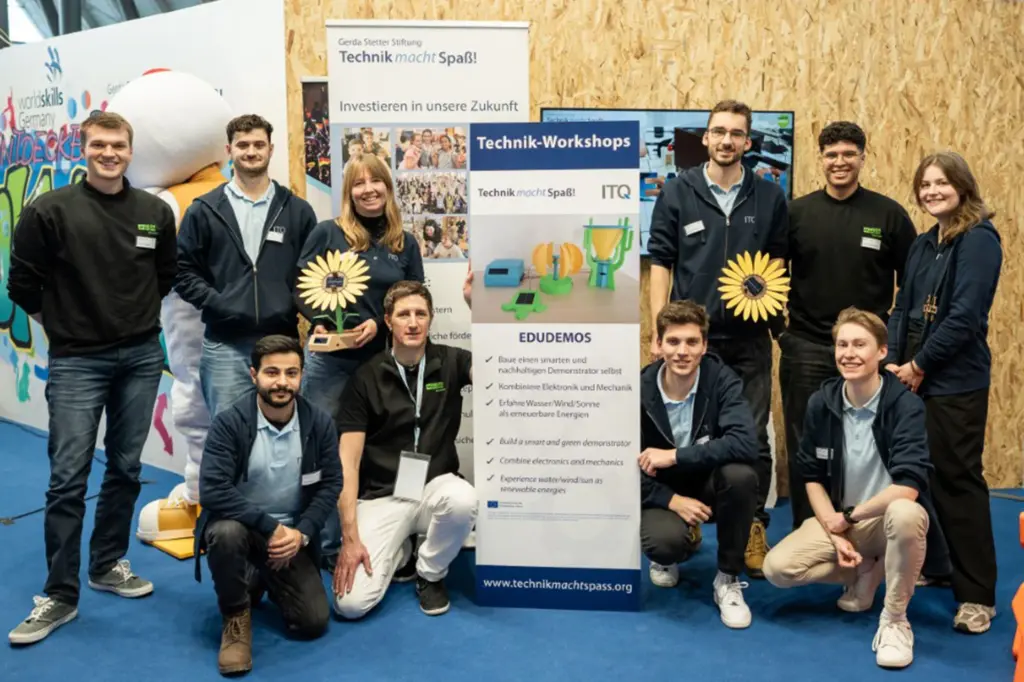
In addition, there is open-source software for teachers and learners. Once they have familiarised themselves with the technology, the pupils build their own solutions. A trainer programme and pupil academies pass on the knowledge. Construction guides, 3D printing files and code are freely accessible (CC BY-NC-SA 4.0). EduDemoS is being implemented by a European consortium comprising organisations from Germany, Spain, Belgium and Switzerland. ITQ GmbH is contributing its experience in the development of demonstrators and its expertise in the circular economy: 3D-printing filament for the demonstrators is produced from recycled waste.
„Funded by the European Union. However, the views and opinions expressed are solely those of the author(s) and do not necessarily reflect those of the European Union or the European Executive Agency for Education and Culture (EACEA). Neither the European Union nor the EACEA can be held responsible for them.”
Highlights



Tools and technologies used
FAQ
What is EduDemoS?
EduDemoS is a European educational project. It develops sustainable, easy-to-replicate demonstrators for STEM teaching.
What demonstrators are being developed as part of the project?
Three renewable energy models: SOL (solar energy), AIRE (wind power) and AGUA (water extraction). There are freely available assembly instructions for each one.
What role does ITQ play in the project?
ITQ brings expertise in the development of demonstrators to the project. ITQ also supplies 3D printing filament made from recycled materials. In this way, the project combines technical education with the circular economy.
What is the aim of the project?
Young people should try out, understand and further develop sustainable technologies for themselves. This creates an educational model that can be replicated across Europe.